Topic:
Design Influences
Year:
11 November 2025
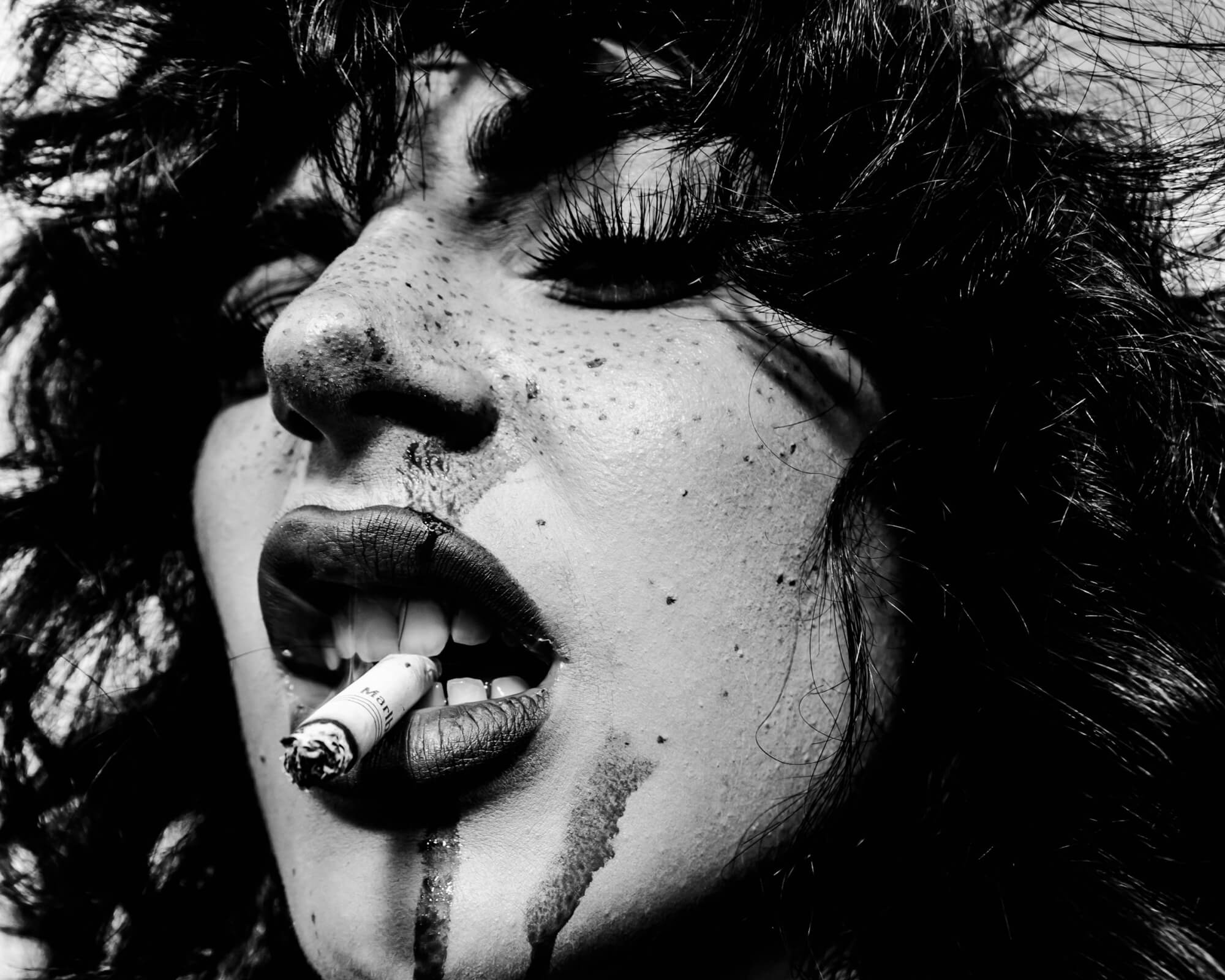
Punk didn’t politely influence graphic design, it kicked it in the mush and told it to stop being so Vanilla Ice. Before punk, design was busy being tidy, logical, and in some cases (I repeat not all, before I get publicly flogged), impressively boring. Punk came along and basically said, fuck your grid, fuck your rules, and fuck your idea of good taste.
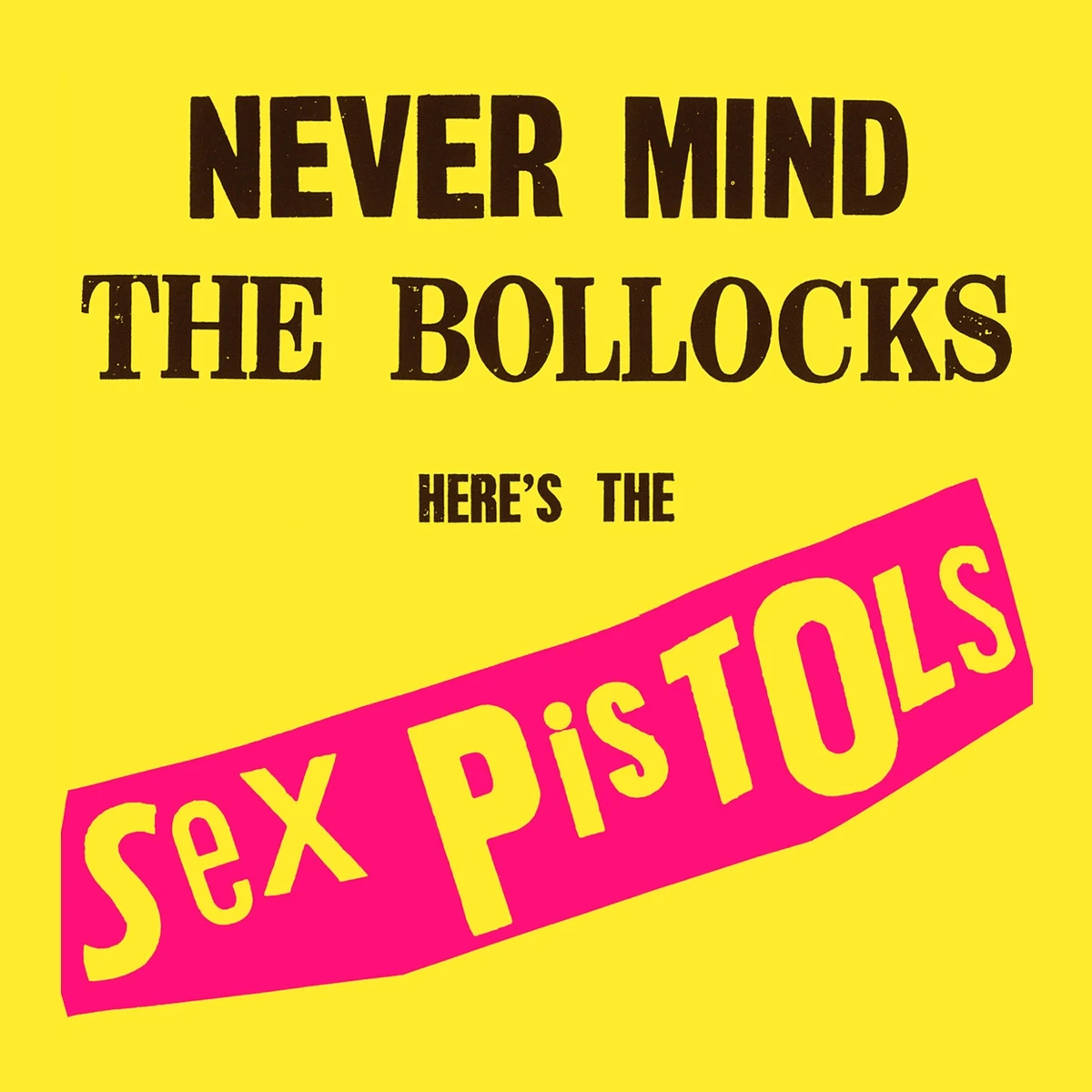
The Sex Pistols visuals are one of the more obvious places to start. Jamie Reid’s artwork for Never Mind the Bollocks still feels like a middle finger and two fingers decades later. The ransom note typography, the aggressive colours, the photocopied textures. It looked illegal. It looked wrong. And that was exactly the point. Reid has spoken about how the work came out of necessity rather than polish. Cheap tools, fast production, no money, and no interest in making something nice. The fuck ups stayed in, and they became the language of punk design.
Although even myself became a victim to referencing just this in college, Reid has said that working with community print shops and activist publishing taught him more than formal education ever did, because the work had urgency and zero time for perfection. That urgency is why the Sex Pistols covers still feel alive. They weren’t designed to last forever. They were designed to shout right now.
Neville Brody picked up that same energy and pushed it further. His work for The Face magazine broke almost every traditional design rule without apologising for it. Type became distorted, layered, sometimes borderline unreadable. Brody has said that punk showed him that “anything is possible,” and that mindset mattered more than the aesthetic itself. Punk gave designers permission to stop asking your tutor or your nan for approval and start experimenting, even if the result annoyed people. That attitude eventually fed into later designers like David Carson, who famously printed interviews in Dingbats when he thought the content was boring. That level of not giving a shit does not happen in a vacuum. Punk cracked the door open and said you don’t need permission, credentials, or taste that everyone agrees on.
Of course, punk eventually got sanitised and sold back to us as a look. Safety pins without the anger. Chaos without the politics. But the influence stuck. Punk design taught creatives that breaking the rules can be more honest than following them, and that sometimes the most powerful work is the stuff that feels uncomfortable, messy, and slightly unhinged. It wasn’t about making things look good. It was about making them feel real as hell.
Sources:
-Jamie Reid interviews via Tate and Creative Review
-Neville Brody interviews via The Design Museum and Eye Magazine
Other articles
S.1