Topic:
Rebrand
Year:
28 October 2025
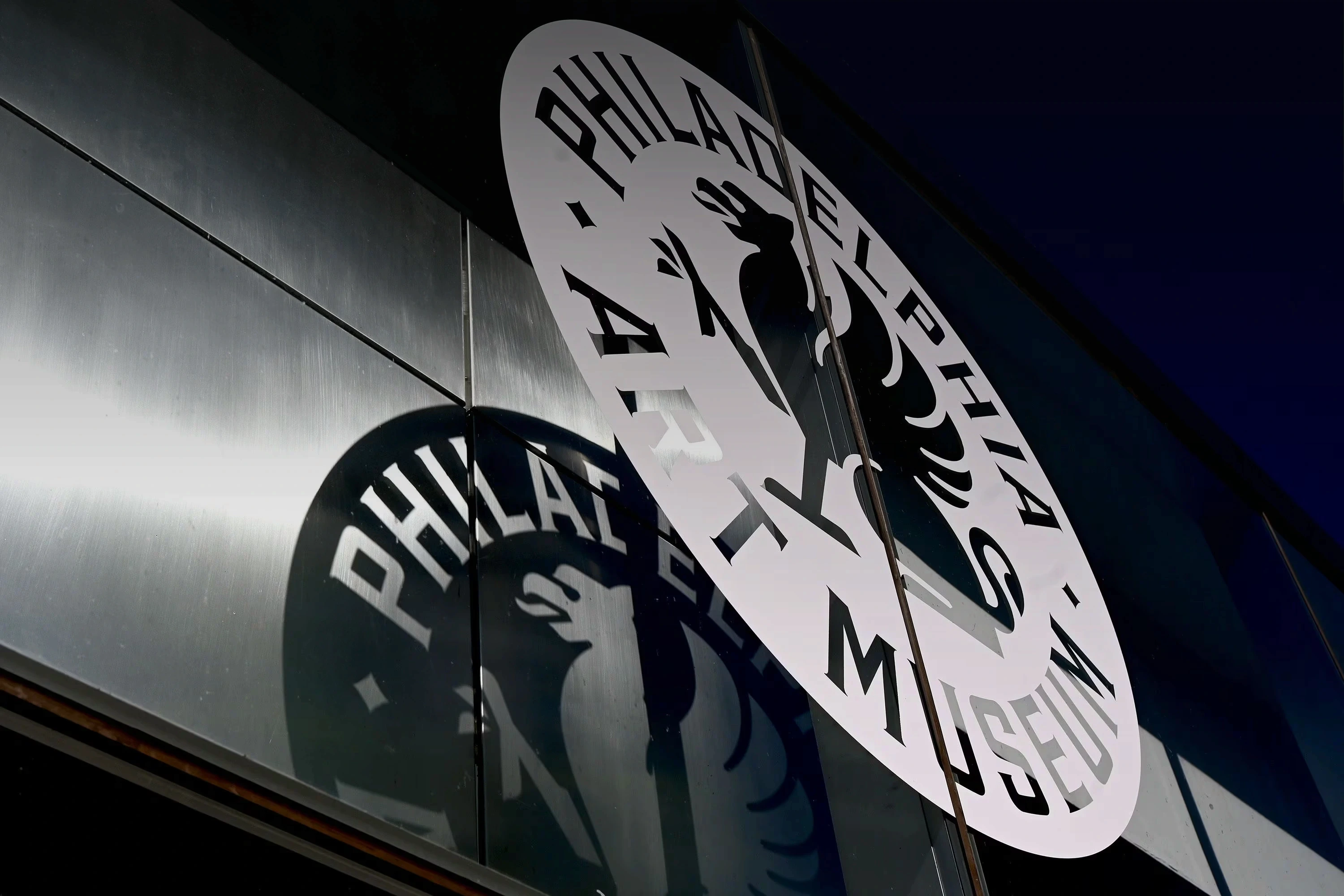
The Philadelphia Museum of Art’s recent rebrand sparked a lot of conversation across the design world in October. Almost immediately after launch, the new identity drew strong reactions online, with plenty of critics questioning the logo, typography choices, and overall departure from what people expect a major art institution to look like.
The rebrand moved away from a single, fixed logo system and instead introduced a more flexible visual language. At its core is a wordmark that feels deliberately understated, paired with a broader system that allows colour, typography, and layout to shift depending on context. For some audiences, especially those used to traditional museum branding, the looseness of the system felt confusing or unfinished. Social media reactions ranged from curiosity to outright dislike, which only fuelled further discussion.
Part of the controversy came from expectation. Museums are often associated with restraint, hierarchy, and a very controlled sense of visual order. Serif fonts, muted palettes, and a strong sense of institutional authority have long been the norm. The Philadelphia Museum of Art’s new identity challenged that idea by leaning into adaptability rather than rigidity, treating the brand more like a living platform than a fixed mark.
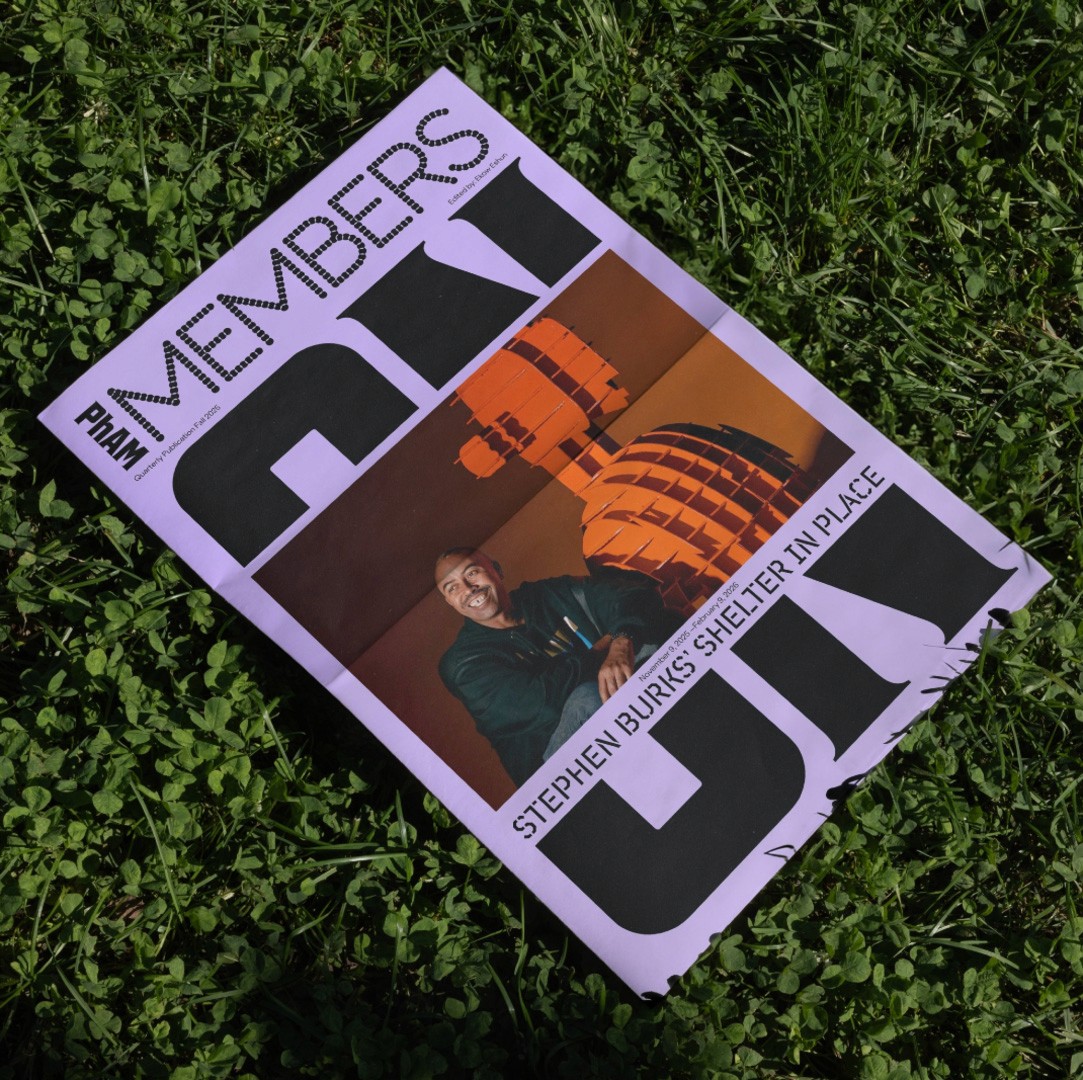
From my perspective, that is where the rebrand actually gets interesting. The flexibility feels intentional rather than careless. The colour palette is tonally confident without being loud, and the way different colours are allowed to coexist gives the system a sense of openness that feels more reflective of contemporary culture than traditional museum branding ever has.
The use of multiple typefaces also stands out. Instead of sticking to a single, safe font choice, the system allows typography to shift and respond. That breaks a lot of old museum design rules, but it also makes the identity feel more human and less distant. It acknowledges that museums are places for conversation, experimentation, and contradiction.
Not every application of the rebrand works perfectly, and that is probably part of the discomfort people feel. Flexible systems expose their weaknesses more easily than rigid ones. But there is something refreshing about a major institution being willing to take that risk, especially in a space that often plays it painfully safe.
Whether people love it or hate it, the Philadelphia Museum of Art rebrand succeeded in one important way. It made design visible and debatable again, and it opened up a conversation about what cultural institutions are allowed to look like now, rather than what they have always looked like.
Other articles
S.1